
"Harar 4"
400 article(s) found

Basic knowledge of boutique coffee beans 5 kinds of classic coffee beans recommended
1 East Timor Arabica beans, mellow, with a certain fruity aroma, a certain irritation when drunk in the mouth, miscellaneous taste in the mouth, and a dry fragrance after grinding. 2 Ethiopia lima is divided into varieties according to its origin. Beans are fruity, slightly sour, clean and fragrant, so they are more suitable for drinking alone. 3 Indonesia Mantenin's beans taste strong and have a certain degree of sweetness

Introduction to the Variety characteristics of Coffee Flavor description treatment method in Yega Ficher Manor, Ethiopia
Yega Chuefei Cochel Manor introduces Yega Chevy Coffee, which seems to be more blessed with favorable conditions. it has a floral aroma, bright citrus acidity, lemon flavor and soft taste. Kochere Cochrane is located in the southwest of Ethiopia, about 25 miles to the north, that is, the famous Yega Chenophen. The mode of production is small-scale production.

Arabica Coffee Flavor description method Grinding scale varieties taste manor production area introduction
Arabica Coffee Flavor description treatment method Grinding scale varieties taste Manor region Arabica coffee accounts for 75% of the world coffee output, the quality of Arabica coffee varies greatly, there are good and bad. In recent years, a few countries (such as India) have made efforts to improve the quality of Robusta coffee, which is planted at high altitudes, given the most careful care, and fine.

Description of taste and flavor of Yejiaxuefei coffee introduction to the method of variety treatment in grinding scale production area
Yega Chuefei Coffee Taste description Grinding scale production area Variety treatment method is of good quality and is considered to be indispensable in mixing. NO.1,NO.2,Screen18~19 is the most popular and widely used type of quality. Characteristics: incense-medium, sweet-strong, acid-medium, alcohol-medium, bitter-weak. Origin of Italian coffee beans: beans grown mainly in Arabica, India

Ethiopian Arabica coffee with rich body Original growing environment Fine coffee
The highest grades of washed Ethiopian coffee Yirgacheffe G1 G2 Sidamo are Grade 2 and Grade 3 (G2, G3), and the coffee processed in the sun in eastern Ethiopia is mostly Grade 4 or Grade 5 (G4, G5). In many cases, fourth-grade coffee is labeled as five-grade in order to reduce taxes. Now the classification is not very uniform, some chaos, because there are sun processing

Introduction to the producing area of Coffee Flavor description Grinding scale in Yega Ficher Manor, Ethiopia
Ethiopian coffee flavor description grinding scale varieties introduce the grades of Ethiopian coffee: Ethiopian washed coffee Yega Sheffield G1 G2 Sidamo (Yirgacheffe, Sidamo) the highest grades are Grade 2 and 3 (G2, G3), while sun-processed coffee in eastern Ethiopia is mostly Grade 4 or Grade 5 (G4, G5). In many affections

Description of beloya Flavor of Yega Xuefei in Solar Water; introduction to the characteristics of varieties in the region
Sun Yega Chuefei Coffee Flavor description Sun Yega Chuefei G3, bold, wild fruit syrup-like sweetness, very mellow thickness, in addition to its own citrus and lemon aromas, blueberry berries are amazing in the northern part of the Great Rift Valley, dotted with a series of lakes set like pearls in the Horn of Africa. Lake Turkana stretches from Kenya to Ethiopia

Ethiopia Sidama Region Geographical Features Manor Flavor Description Origin Yega Shefi Features
In the southwestern highlands of Ethiopia, the Kaffa, Sheka, Gera, Limu and Yayu Senli coffee ecosystems are considered the home of Arabica coffee. These forest ecosystems are also home to a variety of medicinal plants, wildlife and endangered species. angstroms

Introduction to the quality of Ethiopian Coffee Bean varieties by describing the Flavor of Solar washing
Introduction to the quality of Ethiopian coffee bean varieties sun washing flavor description in Ethiopia, the grading and quality control system of coffee is divided into three levels: producer, regional and national. All coffee is inspected by local inspection agencies before leaving the country of origin, and then re-tested at the coffee inspection and grading centers in Addis and Diredawa to determine its quality grade. Coffee

Ethiopian Coffee Estate Introduction and Flavor Description Ethiopian Coffee Estate
Professional coffee knowledge exchange More coffee bean information, please pay attention to coffee workshop (Weixin Official Accounts cafe_style) in the Bible. In Genesis, Adam and Eve were expelled from the Garden of Eden for eating the fruit of the Tree of Knowledge. This fruit, since childhood reading books have been identified as apple (snake) fruit undoubtedly. But in fact, the Bible never mentions it by name; the first coffee tree happens to be the same tree
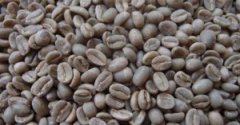
Brief introduction of Ethiopian Coffee the hometown of Arabica Coffee
Lim G2 Ethiopia is the hometown of Arabica coffee, and you can see wild Arabica coffee in the forests of the Kaffa region. In Ethiopian, coffee is called Bun or Buna, and coffee beans (coffee bean) may be translated from Kaffa Bun. Arabica coffee has long been found in the Harald area, which is very accessible.
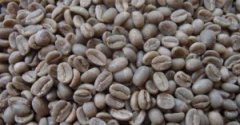
A brief introduction to boutique coffee beans and Ethiopian coffee
Lim G2 Ethiopia is the hometown of Arabica coffee, and you can see wild Arabica coffee in the forests of the Kaffa region. In Ethiopian, coffee is called Bun or Buna, and coffee beans (coffee bean) may be translated from Kaffa Bun. Arabica coffee has long been found in the Harald area, which is very accessible.

Description of Coffee Brands and Flavor in Ethiopia introduction of varieties in manor area
Variety description of local coffee brands in Ethiopia the variety of the manor is introduced. Yejasuefei is a small town with an elevation of 700-2100 meters, which is synonymous with Ethiopian boutique coffee. It has been a wetland since ancient times. The ancient saying "Yirga" means to settle down and "Cheffe" means a wetland. The mode of production and flavor of coffee here are so prominent that Ethiopia

Yega Chuefei Coffee characteristic Taste and Flavor description Grinding scale treatment
Yega Chuefei Coffee characteristic taste and flavor description grinding scale treatment method 1. When picking beans, only fully ripe crimson coffee cherries are picked. Before exposure, the beans will be screened for defects in the processing plant to make the beans look more average in size and maturity. two。 Then, use a tall wooden frame or a whole scaffolding to make the sun, so as to avoid soiling the beans on the ground.

Tips for ESPRESSO baking
Talking about mixed beans when we talk about baking espresso beans, we are actually talking about the science of mixed beans. The highest sweet spots of all kinds of coffee beans from different countries appear at different baking points, so bakers must find a balance between baking and mixing beans in order to make a good cup of espresso. This knowledge should start with the degree of baking and the selection of beans

What are the characteristics of the Harald coffee producing area in Ethiopia? Sub-Hara producing area of Kafa Forest, Ethiopia
Professional coffee knowledge exchange more coffee bean information please follow the coffee workshop (Wechat official account cafe_style) the characteristics of Harald coffee producing area in Ethiopia? Where is the sub-Hara producing area of the Kafa forest in Ethiopia? Geographically located south of the Tropic of Cancer (latitude 5 to 15), close to the equator, belongs to tropical and subtropical climate patterns, most areas are located in

Ethiopian Coffee Flavor Description Grind Characteristics Variety Producing Area Taste Boutique Coffee Introduction
Ethiopian coffee grade: Ethiopian washed coffee Yirgacheffe G1 G2 Sidamo (Yirgacheffe, Sidamo) the highest grade is second and third grade (G2, G3), the eastern part of Ethiopia sun processing coffee is mostly fourth or fifth grade (G4, G5). In many cases, fourth-grade coffee is labeled as five-grade in order to reduce taxes. The current classification is not very uniform, there are

Coffee Flavor description of Ethiopian Coffee Manor Coffee Flavor description of roasting degree Price planting Environment
Ethiopian coffee beans grow in close to the natural environment, after years of planting under the same growth conditions, Ethiopian coffee beans have gradually adapted to the environment here. More than 60% of coffee beans are grown in forests or semi-forests. Large-scale coffee-growing villages account for about 35% of the country's total coffee production. Many of these are used.

Taste Unique Ethiopian Yega Shefi Cochir Estate Coffee Flavor Description Taste Variety Introduction
In Ethiopia, people take pride in coffee and see it as a gift to the world. To this day, many Ethiopian families still maintain the ritual of daily coffee celebrations, with the hostess of each family inviting family and neighbors for coffee more than once a day. In their view, this is a way to show friendship and respect. Ethiopia is a magical land, filled with

Introduction to the methods of variety treatment in Ethiopian coffee flavor description and grinding degree production area
Washed coffee accounts for 35% of exports. Good quality washed coffee is processed with freshly picked fully ripe fruit, picked carefully and closely monitored by professionals. The picked clean coffee beans are pulped on the day of picking, then fermented, washed, dried and peeled. The humidity of processed coffee beans is kept at about 12%. Sun-cured coffee accounts for 65% of exports. Mainly by